
Blog
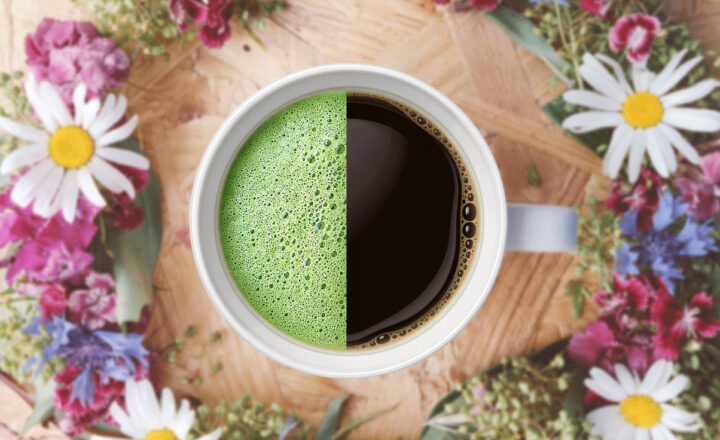
Once coffee by the liter, now leisurely with matcha
Remember those sleepless nights with a crying baby, when you were on autopilot in the morning, but still had to get through the next day? And when the kids get older, the type of chaos just changes: last-minute tasks and full-time household logistics.
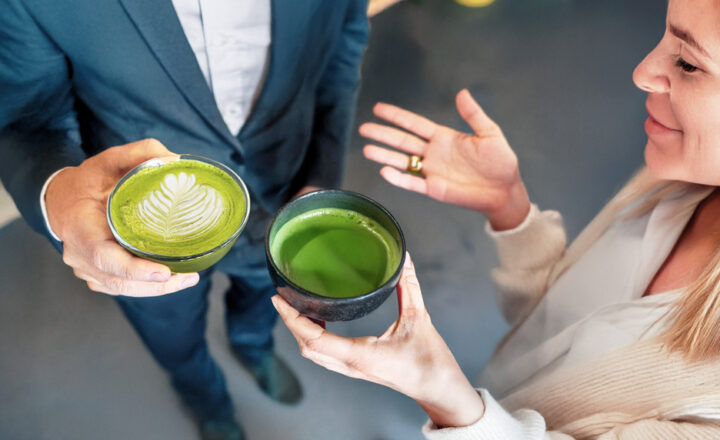
Matcha Energy: A Natural Source of Focus and Vitality
Matcha Tea is gaining popularity not only for its unique taste and rich history, but also as a natural source of energy. Unlike regular coffee, it provides long-lasting focus and a gradual release of caffeine without sudden energy surges. What are its other benefits and what does the science say?

Matcha: A Green Ritual for Body and Mind
At first glance, it looks like an ordinary green powder. But once whisked into water, it transforms into a drink the colour of fresh spring grass after rain. Matcha – a tea the Japanese have cherished for centuries as a bridge between the everyday and the inner world. Buddhist monks drank it before meditation to calm the body and sharpen the mind.

The end of fake matcha tea substitutes
The impossible has become a reality! After eight long years of urging and explaining, a decree has finally been issued in the Czech Republic, which stipulates that only finely ground green tea originating in Japan can be called matcha. It is a big victory that means higher quality for the Czech consumer.

Matcha: The green ritual of the 21st century
Matcha is not just tea, but a finely ground powder made from specially cultivated green tea leaves (Camellia sinensis), which has had a firm place in Japan for centuries.

How to Choose the right Matcha Tea
Choosing real matcha isn’t rocket science, but there are key principles you should know. Our guide will show you how to recognize high-quality matcha so you can enjoy the ultimate green energy experience.

The Grand Story of Matcha
Matcha has long outgrown its role as a photogenic café topping. With its emerald hue, centuries‑old ritual lineage and a rare blend of bioactive compounds, it offers a refined source of sustained energy and mental clarity. The synergy of caffeine and L‑theanine promotes focused alertness without the sharp spikes and slumps typical of regular coffee, while the catechin EGCG serves as a powerful antioxidant. What additional benefits does stone‑milled matcha bring to the table, and how does contemporary science substantiate them? The guide below weaves together history, terroir, cultivation and peer‑reviewed evidence to reveal the complete picture.

Matcha Tea: a natural source of energy, antioxidants and vitality
Matcha Tea is gaining popularity not only for its unique taste and rich history, but also as a natural source of energy. Compared to regular coffee, it provides long-lasting focus and a gradual release of caffeine without sudden energy spikes. What are its other benefits and what does the science say?

Japanese Versus Chinese Matcha
Matcha Tea is a synonym for Japanese tea culture which has its roots in 12th century, when was the milled tea introduced for the first time in the Japanese archipelago.

Seven Reasons Why You Should Drink Matcha Tea
Antioxidant rich teas like matcha help prevent eating sweets but there are also other reasons, why it is good to make Matcha Tea part of your daily diet.