
Articles
How to Choose the right Matcha Tea

How to Choose the right Matcha Tea
- Published
- 16. 05. 2025
- Choosing real matcha isn’t rocket science, but there are key principles you should know. Our guide will show you how to recognize high-quality matcha so you can enjoy the ultimate green energy experience.

Origin: Only Japan
Authentic matcha comes exclusively from Japan. The most renowned regions include Aichi, Shizuoka, Kagoshima and Kyoto. Be wary of cheap imitations without a verified origin.


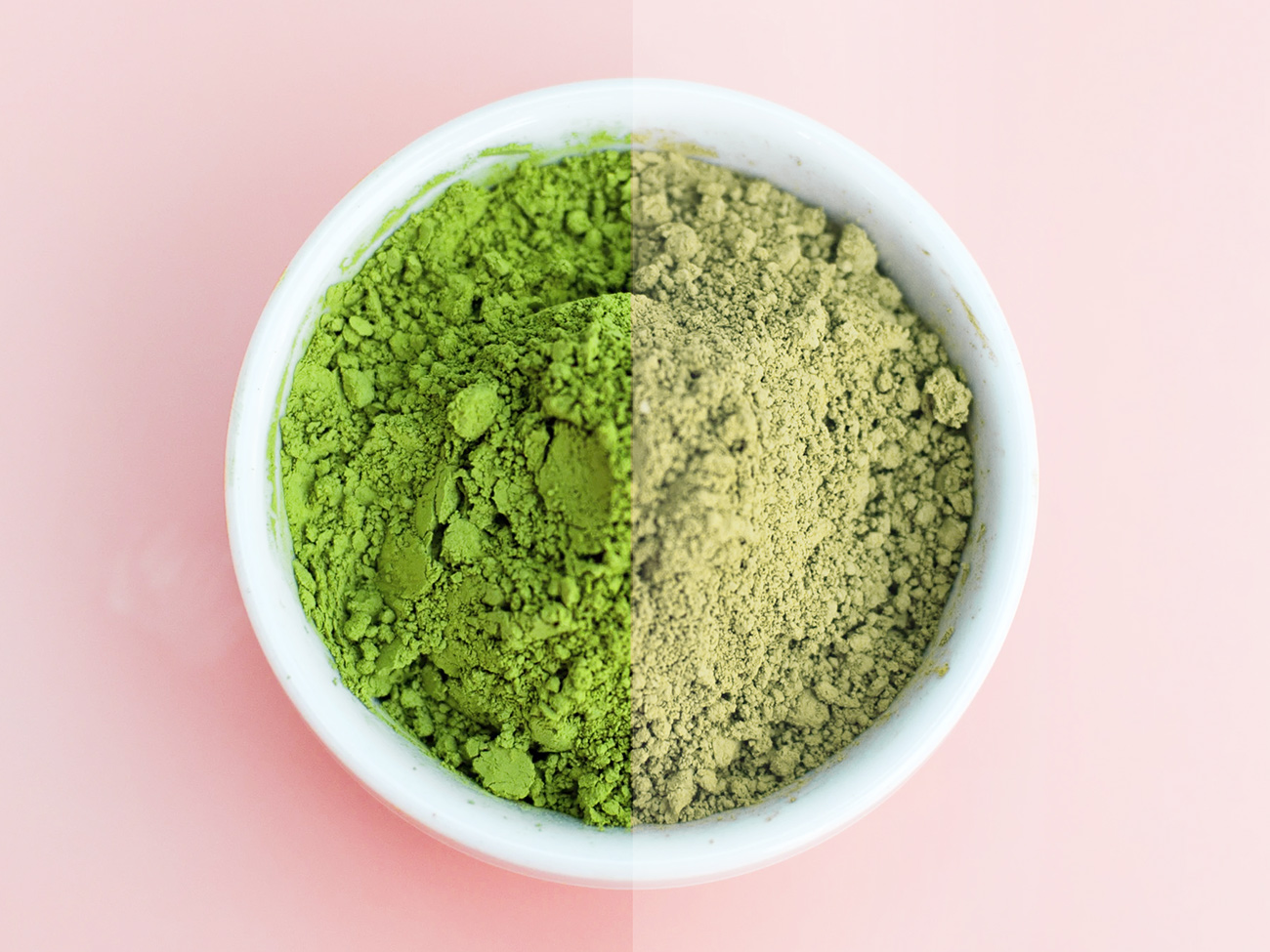
Colour & Texture: Proof of Quality
Premium matcha has a vibrant, emerald green colour and a silky-smooth texture. Dull, yellowish, or brown tones indicate lower quality, poor taste, and non-Japanese origin.

Taste: Umami & Smoothness
True matcha offers a naturally sweet flavour with rich umami and zero bitterness. A sharp, bitter, or astringent taste signals low-grade or poorly processed tea.


Ingredients: 100% pure matcha
Check the label—quality matcha contains only 100% green tea (Camellia sinensis). Organic certification is a sign of top-tier quality.


Cultivation Method: Power of Shade
Three weeks before harvest, tea plants are shaded to boost L-theanine and chlorophyll levels—resulting in better colour, flavour, and health benefits.


Certification & Testing
Choose matcha from producers who regularly test for pesticides, heavy metals, and bacteria. Certifications such as BIO, USDA, ISO 9001, and IFS FOOD ensure safety and reliability.


Price: A Quality Investment
High-quality matcha isn’t cheap. The higher price reflects hand-picking, precise processing, and maximum active compounds.


