Articles
The end of fake matcha tea substitutes

The end of fake matcha tea substitutes
- Published
- 01. 09. 2025
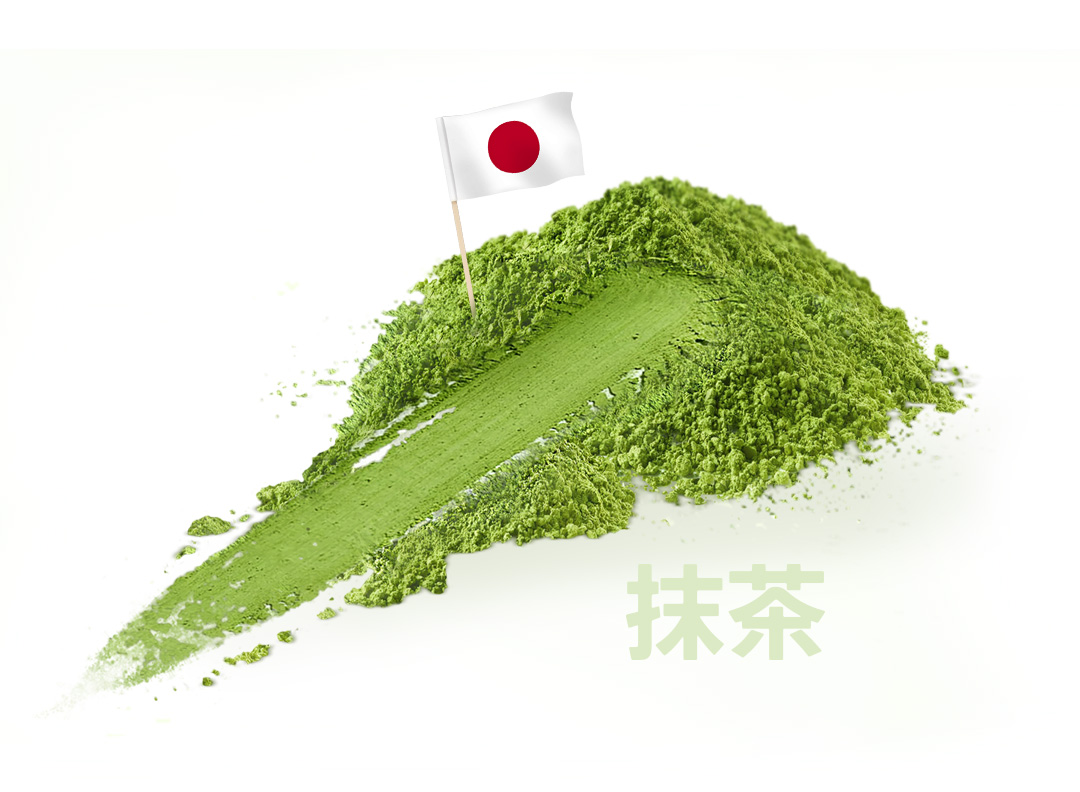
- The impossible has become a reality! After eight long years of urging and explaining, a decree has finally been issued in the Czech Republic, which stipulates that only finely ground green tea originating in Japan can be called matcha. It is a big victory that means higher quality for the Czech consumer.
Our fight for proper labelling
Since we introduced matcha tea to the Czech market, we have encountered gaps in the legal system. It has not yet defined exactly which products can and cannot be labelled as matcha. To our great annoyance, it happened that any ground tea, improperly processed green tea, Chinese substitutes or any other beverage made from the ground plant appeared on the market under the word matcha. We spend a lot of energy warning customers about Chinese matcha green tea substitutes, which can also be dangerous to health. We fought for a change in the law mainly because it did not seem right to us that the same name should be used for two such different products – on the one hand, genuine green matcha, full of health benefits, and on the other, powdered Chinese substitutes, which have the opposite effect on the human body.

Now you won’t confuse
REAL MATCHA GREEN TEA
with powdered tea!
I’m sure you can vividly imagine our excitement when the new version of Decree 187/2023 Coll. came to us and the Czech Republic became the first country in the EU to protect real matcha tea! We are very happy that from next year it will no longer be possible to call powdered substitutes from China matcha. Sellers of these substitutes now have a year to change their packaging or switch to sourcing real matcha in Japan.
We are glad that after eight years of sending lab tests to the Ministry of Agriculture, urgings and endless discussions, you will no longer confuse real matcha with any substitute from China. Decree 187/2023 Coll. specifies exactly which plants and in what quantity can form tea mixtures. It also states that only green tea, which is produced by grinding the youngest leaves of Japanese tea into a fine powder, can be described as matcha.