
Blog
We recommend
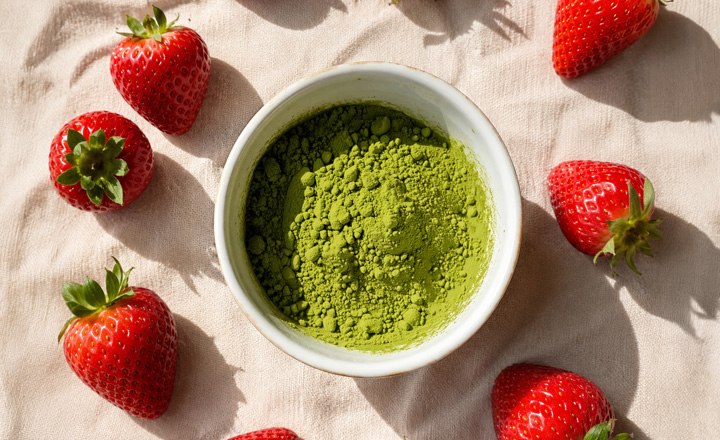
Matcha and strawberry under the scientific lens: why we’re fans of this combination
Matcha and strawberries are not just a beautiful green-and-pink pairing. A new study suggests that combining them may also be interesting from the perspective of bioactive compounds.

Matcha and sport: What do the latest studies say about performance, energy and recovery?
Matcha is no longer just a trendy green drink found in cafés. This finely ground Japanese tea is establishing a firm place in the diets of athletes seeking natural support for their training. Unlike traditional green tea, where only the leaves are steeped, with matcha we consume the whole ground leaf. As a result, we take in a much higher concentration of active compounds. What does modern science say about matcha’s impact on sporting performance, recovery and overall vitality? We’ve looked at the latest research to help us uncover its true potential.
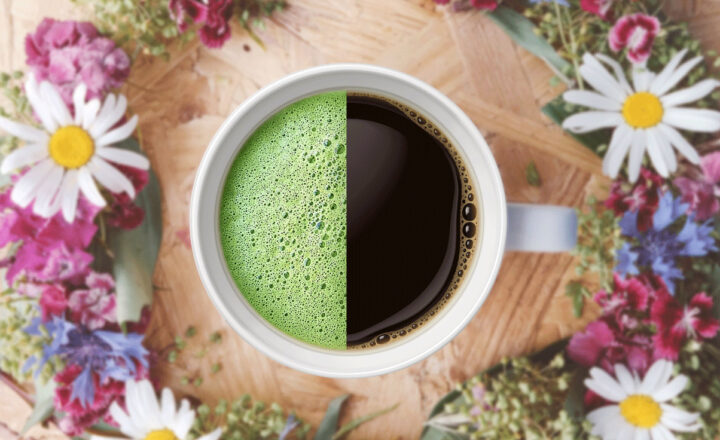
Once coffee by the liter, now leisurely with matcha
Remember those sleepless nights with a crying baby, when you were on autopilot in the morning, but still had to get through the next day? And when the kids get older, the type of chaos just changes: last-minute tasks and full-time household logistics.
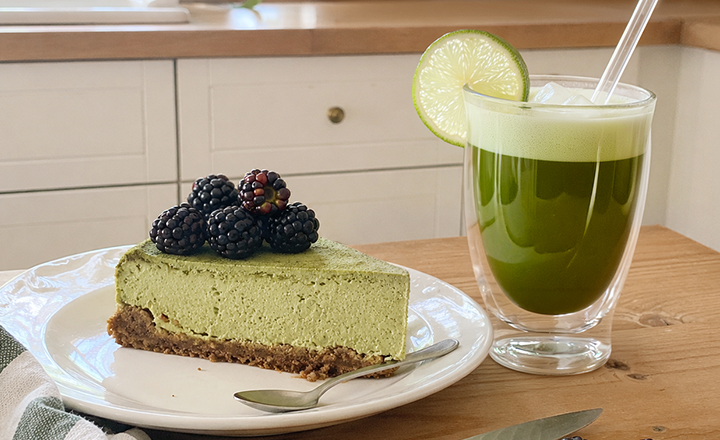
New scientific study reveals: Each grade of matcha has its own unique benefits
Italian scientists from the Sapienza University of Rome published an interesting study in May 2025 that for the first time compared the chemical composition of ceremonial, standard, and food-grade matcha in detail. The results show that each grade has its own unique strengths – it's not just about price, but about different benefits.
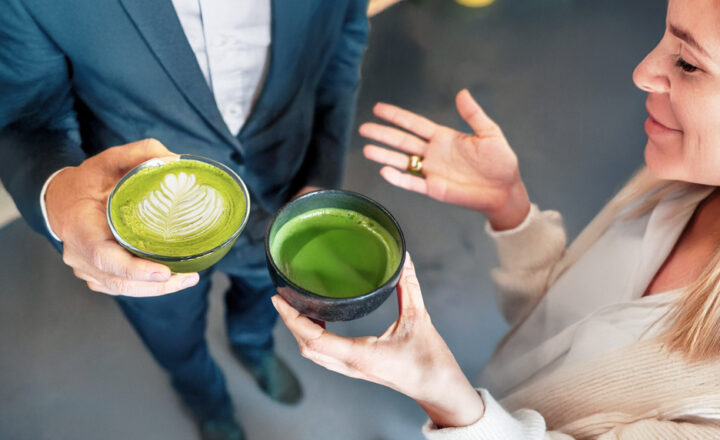
Matcha Energy: A Natural Source of Focus and Vitality
Matcha Tea is gaining popularity not only for its unique taste and rich history, but also as a natural source of energy. Unlike regular coffee, it provides long-lasting focus and a gradual release of caffeine without sudden energy surges. What are its other benefits and what does the science say?
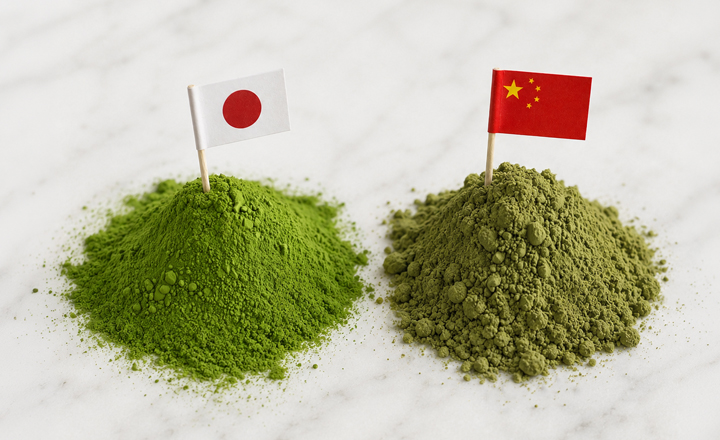
Japanese matcha vs. Chinese matcha
What is the real difference and why does origin play a key role?

TEATENDER junior cup 2026 — looking back at the event
At the Makro Czech Gastro Fest in Prague's O2 Universe, a new generation of bartenders came together to create non-alcoholic cocktails from Japanese matcha inspired by the longevity trend - longevity, vitality and a healthy lifestyle.
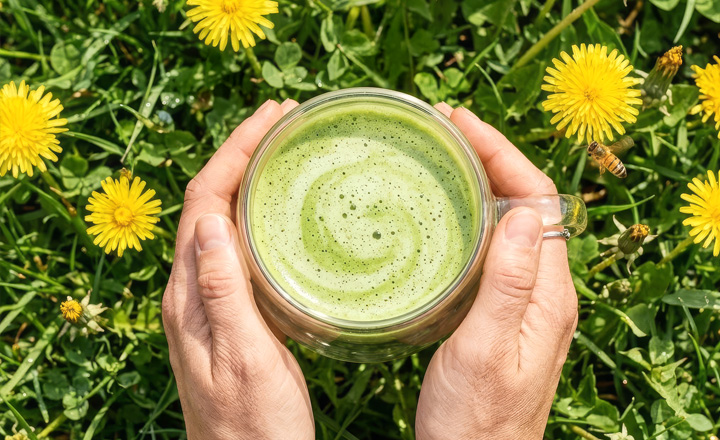
Spring awakening with matcha. Energy and detox for the new season 2026
After the winter months full of fattier foods and less exercise, a spring detox is exactly what our bodies need. Matcha will help you kick-start your metabolism and get rid of accumulated toxins.

8 tips to help you shed those Christmas pounds
New year, new me. We hear similar resolutions all around us. But not everyone manages to stick to them, because they often set high, almost unattainable goals. "Start exercising and lose 10 kilos in January" sounds nice, but in reality it cannot be achieved without drastically restricting food intake. And by the first week of February, you'll have gained the weight back. That's why it's better to focus on changing your lifestyle, adjusting your diet, adding physical activity, and aiming for a more active and better quality of life rather than just losing weight.

Matcha and Research: A Fair Guide to the Facts
Scientific teams are continuously investigating how green tea components relate to exercise metabolism, cardiometabolic markers, and oxidative stress markers. We love to educate ourselves, and as research continues, we’re learning new and interesting facts about the natural compounds in matcha. What caught our attention this time, and how should we interpret the findings? Let’s get started.