
Articles
Morning with Matcha, Evening with Hojicha: Which Japanese Tea Should You Choose?

Morning with Matcha, Evening with Hojicha: Which Japanese Tea Should You Choose?
- Published
- 26. 10. 2026
- Just a few years ago, when most people heard the term Japanese tea, matcha was the first thing that came to mind. Today, however, it is increasingly being joined by hojicha. With its delicate roasted aroma, this tea is gaining popularity among lovers of milder flavours as well as those looking for an alternative with a lower caffeine content.
At first glance, the two have a lot in common. Both come from Japan and are made from the same plant, Camellia sinensis. Yet they differ in taste, aroma and in the time of day when they are best enjoyed.
Matcha and hojicha both have an established place in Japanese tea culture. Although they come from the same plant, their different processing methods create completely different flavour experiences and make them suitable for different moments throughout the day. It is not about which tea is better, but which one is right for the moment.
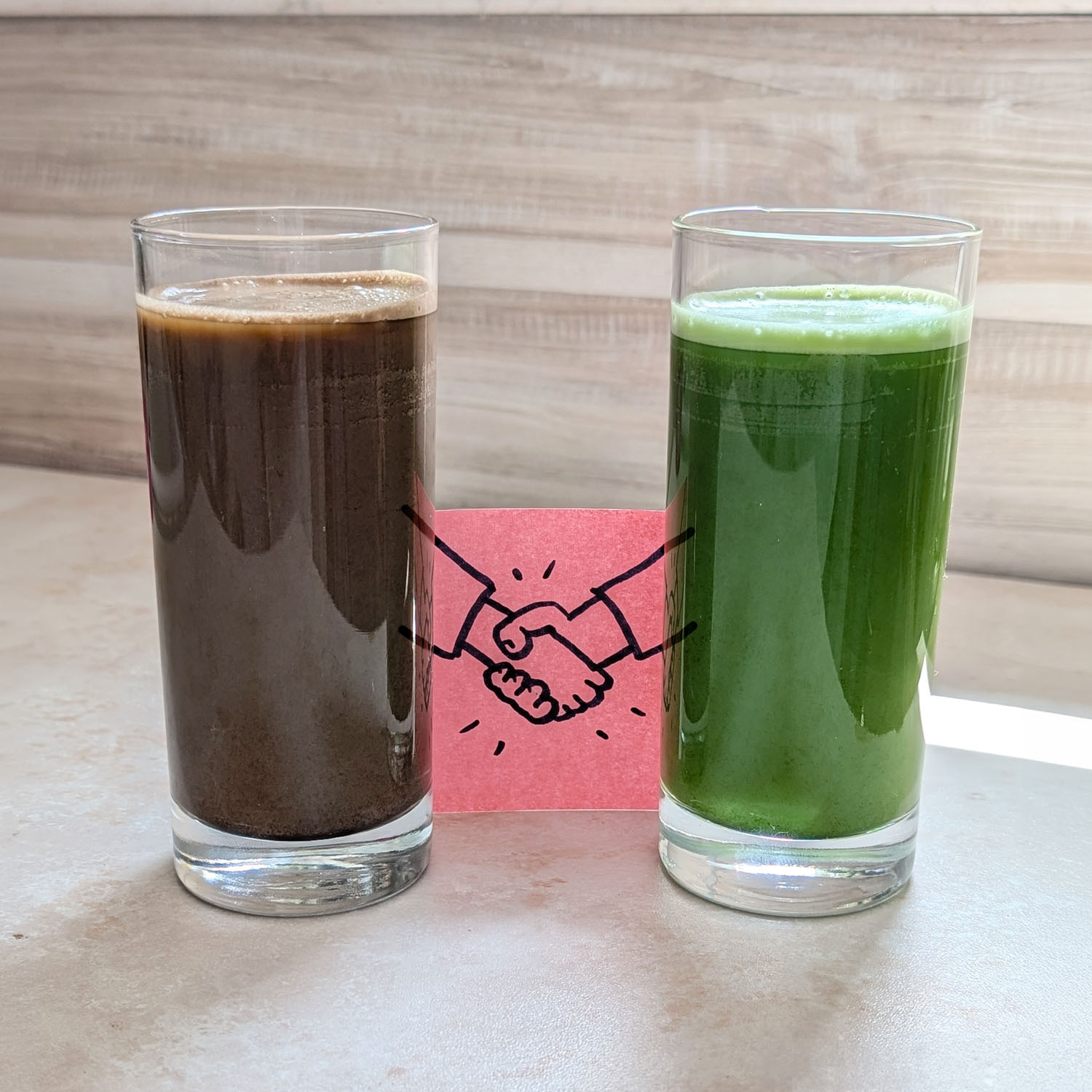
Same Origin, Different Story
The key difference between matcha and hojicha lies in how they are processed. Matcha is made from young tea leaves that are shaded for several weeks before harvest. This gives them their vivid green colour, a more delicate taste and a higher content of beneficial compounds. After harvesting, the leaves are dried and ground into a very fine powder. When preparing matcha, you therefore consume the entire tea leaf rather than just an infusion.
Hojicha is made in a completely different way. Tea leaves, most commonly from bancha, sencha or kukicha, are roasted at a high temperature after harvest. Roasting is what gives hojicha its characteristic brown colour, pleasant aroma reminiscent of roasted nuts or caramel, and also its lower caffeine content, which makes it suitable for enjoying in the evening as well.
Fresh Umami or Gentle Roasted Notes?
For both teas, the first sip often decides whether you fall in love with them. Matcha is fresh, distinctive and unmistakable. It offers gentle sweetness, a light astringency and the characteristic umami taste typical of high-quality Japanese teas. It will appeal to those who enjoy intense green notes and are looking for a natural pick-me-up.
Hojicha goes in the opposite direction. Thanks to roasting, its aroma can recall freshly toasted nuts, cocoa or caramel. It is smooth and gentle, without the pronounced astringency that some people dislike in traditional green teas. This is why hojicha is often a first introduction to Japanese tea and can appeal even to people who have never developed a taste for green tea before.
When to Choose Matcha and When to Choose Hojicha?
Both teas have their place, just at different times of the day. If you have a demanding morning or afternoon at work ahead of you, studying or physical activity, matcha can be a suitable choice. Thanks to its caffeine and the amino acid L-theanine, it provides energy gradually and supports concentration without sharp fluctuations.
Hojicha, on the other hand, is ideal when you want to slow down. Its lower caffeine content makes it a pleasant companion for afternoon reading, an evening film or a moment of rest after a long day. Each tea has its own strengths and suits a different situation. Matcha is a great fit for the active part of the day, while hojicha offers a pleasant ritual when you want to unwind.

Four Recipes That Will Help You Discover Hojicha in a New Way
Hojicha is no longer limited to a cup of hot water. Its gentle roasted flavour pairs beautifully with milk, citrus and fruit, making it an easy base for refreshing summer drinks or a quick breakfast.
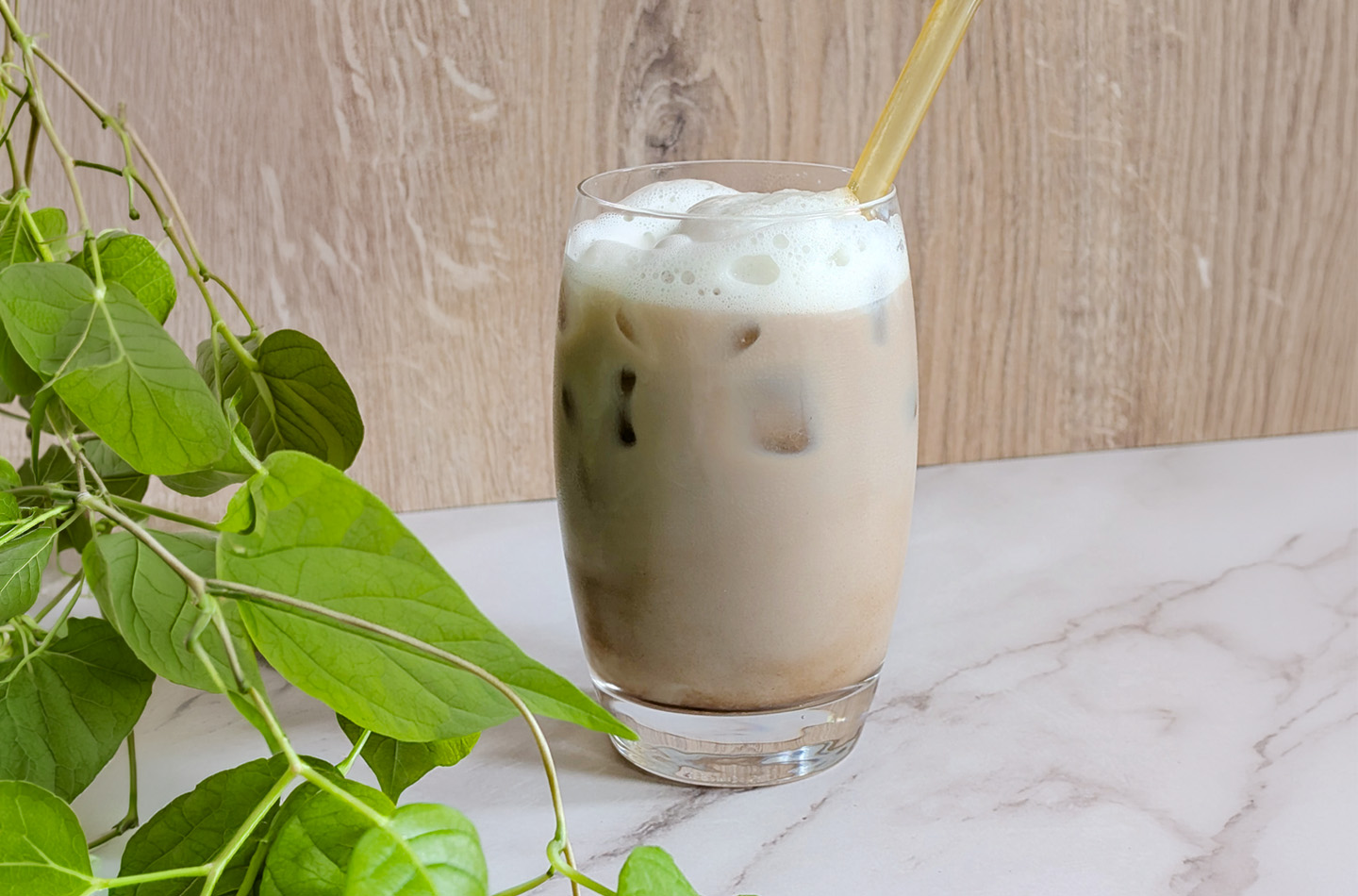 Vanilla Iced Hojicha Latte
This iced version of a popular latte combines the gently roasted flavour of hojicha with vanilla and creamy milk. Simply prepare the hojicha, add vanilla syrup and ice cubes, then top up with chilled milk or a plant-based alternative. The result is a refreshing drink with delicate sweetness that you can enjoy at any time of day.
Read more
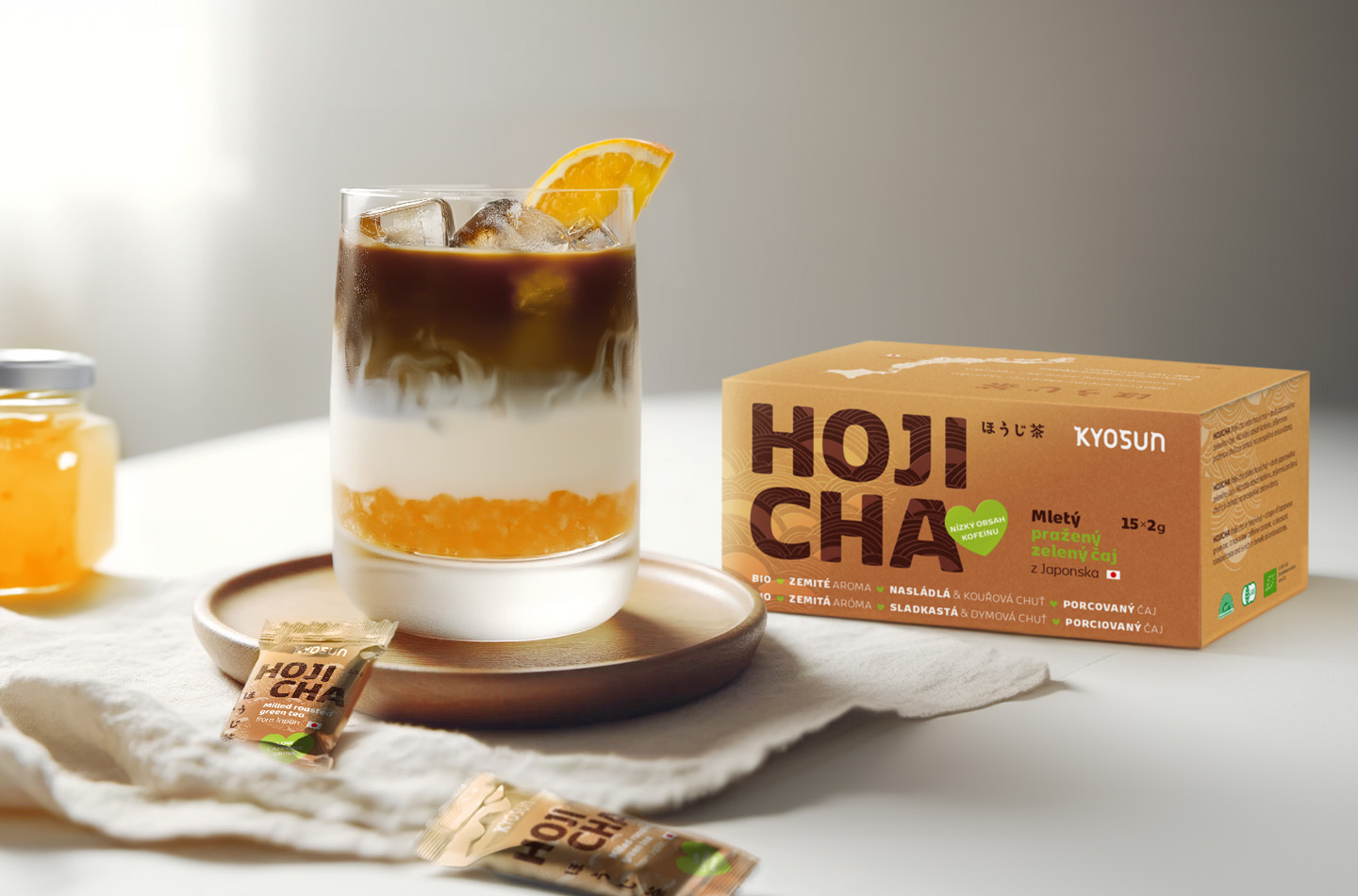 Iced Yuzu Hojicha Latte
If you enjoy discovering new flavours, try pairing hojicha with the Japanese citrus fruit yuzu. Its fresh acidity contrasts beautifully with the roasted notes of the tea, creating an unusual yet surprisingly harmonious combination. Ice, milk and yuzu syrup turn hojicha into an original summer drink.
Read more
 Hojicha Ice Tea
A simple recipe you will appreciate on hot days. Shake hojicha with water, pour it into a glass with ice and add a slice of lemon or lime to taste. It is also delicious lightly sweetened with honey or cane sugar.
Read more
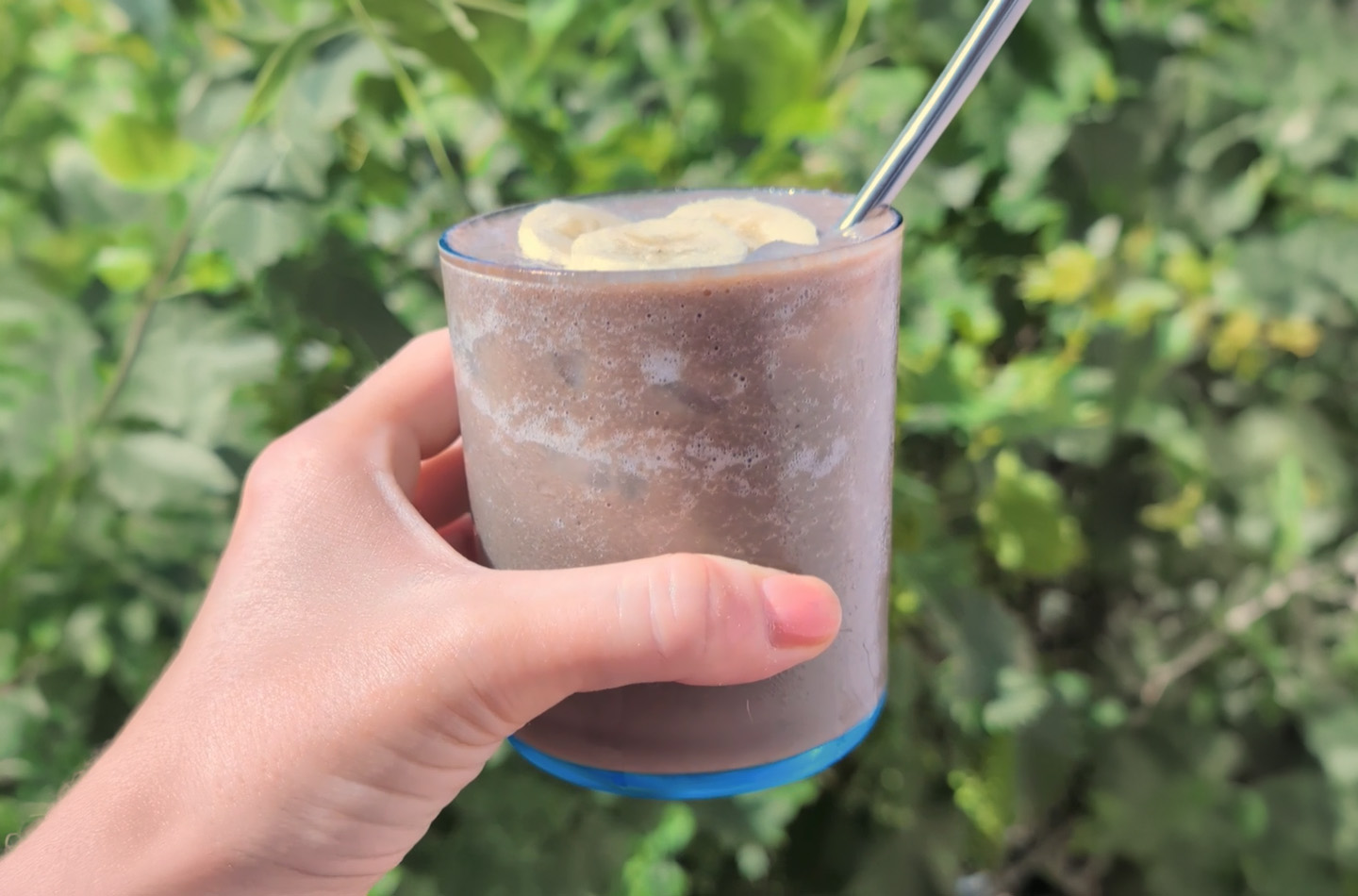 Pear Hojicha Smoothie
The roasted notes of hojicha pair surprisingly well with fruit too. Combined with ripe pear, banana and milk, it creates a smooth drink that works well as a quick breakfast or afternoon snack. Hojicha gives it an original flavour that pleasantly sets it apart from ordinary fruit smoothies.