
Articles
Matcha and sport: What do the latest studies say about performance, energy and recovery?

Matcha and sport: What do the latest studies say about performance, energy and recovery?
- Published
- 12. 08. 2026
- Matcha is no longer just a trendy green drink found in cafés. This finely ground Japanese tea is establishing a firm place in the diets of athletes seeking natural support for their training. Unlike traditional green tea, where only the leaves are steeped, with matcha we consume the whole ground leaf. As a result, we take in a much higher concentration of active compounds. What does modern science say about matcha’s impact on sporting performance, recovery and overall vitality? We’ve looked at the latest research to help us uncover its true potential.
“Athletes today are increasingly looking for ways to support their performance and recovery naturally. Matcha is interesting in that it combines caffeine, L-theanine and a high antioxidant content in a single ingredient. Scientific findings suggest that its potential extends beyond simply providing a pre-workout boost,” says Petr Patočka, founder of Kyosun, which imports premium Organic Matcha Tea to the Czech market.

Gym performance and muscle adaptation
If you’re into strength training, you might be interested in the effect of matcha on muscle adaptation. A study from 2023 (Shigeta et al., 2023) provided some interesting insights in this area. The study involved healthy but previously untrained men who consumed 1.5 g of matcha daily whilst following a strength training programme.
- What do the results suggest? After 8 weeks, the group taking matcha showed potential for greater increases in lower-body strength. After 12 weeks, the researchers observed signs of greater muscle mass gains, whilst participants also reported lower levels of subjective fatigue after exercise.
- Important context: It is worth noting that this particular study was funded by industry (manufacturers). The results should therefore be regarded as preliminary, and further independent research will be required to confirm them conclusively.
Supporting fat burning during aerobic exercise
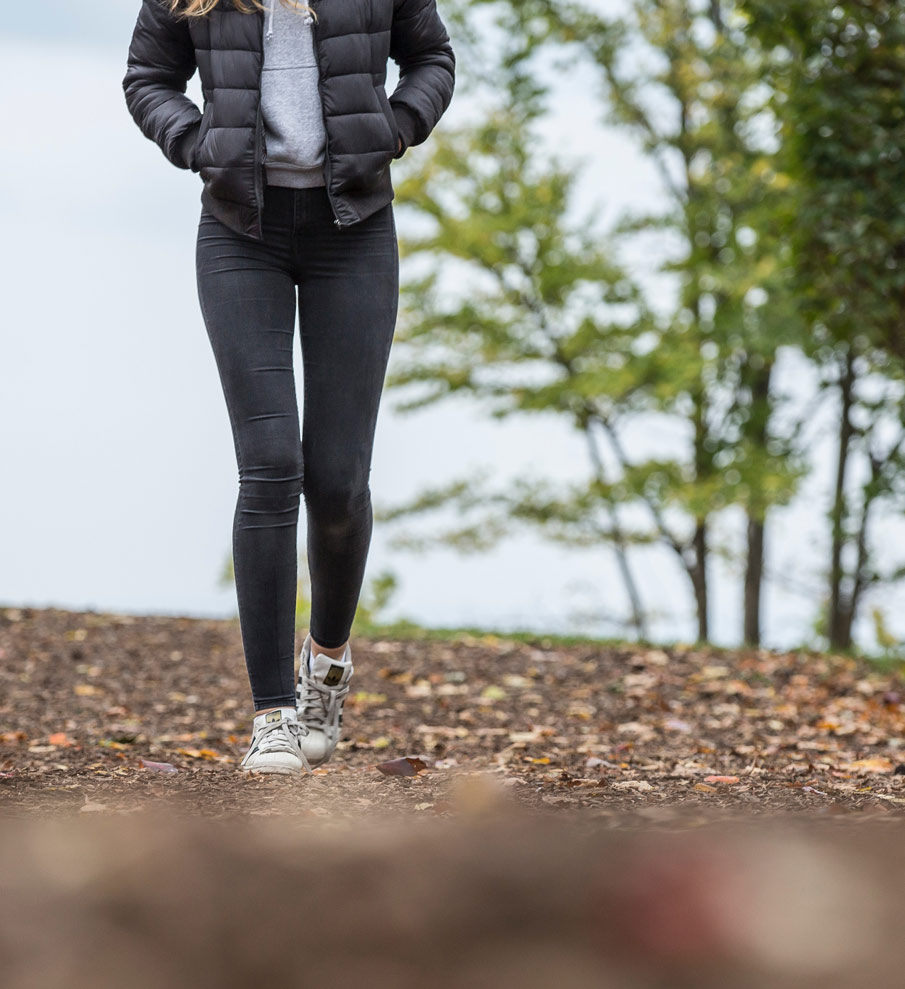
For those focusing on fat loss or endurance sports, matcha may be an interesting pre-workout supplement. A 2018 study (Willems et al., 2018) investigated the effect of this tea on fat oxidation (fat burning) in women.
- What do the results suggest? According to the study’s findings, consuming matcha before a brisk walk can increase the rate of fat burning during the exercise itself. The research thus suggests that matcha may support the metabolic processes associated with utilising fat stores as an energy source, which will be particularly appreciated by endurance athletes.
A comprehensive blend of antioxidants for improved recovery
The sporting benefits of matcha are primarily due to its unique chemical composition. An extensive review study published in May 2026 (Nutrients, 2026) summarised findings from research conducted between 2016 and 2025. It focused on how cultivation (particularly shading the plants before harvest) and processing affect the resulting bioactive profile.
- What does the research show? The review confirms that gently processed matcha retains extremely high levels of catechins (particularly EGCG), L-theanine, caffeine and chlorophyll.
- Together, these compounds exhibit antioxidant and anti-inflammatory effects. For athletes, this represents a promising avenue in the field of recovery, where antioxidants help the body combat oxidative stress caused by intense physical exertion.
A healthy gut as the foundation of athletic form
Athletic performance doesn’t start in the legs or the lungs, but very often in our gut. The gut microbiome has a significant impact on nutrient absorption, immunity and overall energy levels. The relationship between matcha and the microbiome was investigated in a randomised, double-blind study from 2023 (PMC, 2023).
- What do the results suggest? Regular consumption of matcha appears to have a positive effect on the composition of gut bacteria. Researchers observed an increase in beneficial bacteria of the genus Coprococcus and, conversely, a decrease in potentially harmful bacteria of the genus Fusobacterium. A healthier microbiome can thus indirectly support overall vitality and athletic performance.
Mental focus and sleep quality
Physical training requires maximum concentration and subsequent high-quality rest. This is where the synergistic effect of caffeine and the amino acid L-theanine – both of which are abundant in matcha – comes into play. Whilst caffeine stimulates, L-theanine induces a state of alert relaxation without any feeling of nervousness. An independent, double-blind, controlled study (Uchida et al., 2024) provided an interesting insight into the long-term effects; it followed 99 participants aged over 60 with mild cognitive decline for a period of 12 months. The participants were given 2 g of matcha daily.
- What do the results show? The group taking matcha showed improved cognitive function and a demonstrable increase in sleep quality. Although the study was conducted on an older population, its results suggest that regularly incorporating matcha may have a long-term beneficial effect on the nervous system, night-time recovery and mental focus – all of which are key aspects for athletes of any age.
Summary: How to use matcha?
Current scientific research suggests that matcha certainly has a lot to offer athletes. Whether it’s a gentle burst of energy before a training session without a subsequent ‘crash’, support for fat metabolism, or a helping hand with muscle recovery and calming the mind. “Research into matcha has expanded significantly in recent years and is yielding increasingly interesting findings. At the same time, however, it is important to view it as part of an overall lifestyle. Matcha alone cannot replace high-quality training, a varied diet or sufficient rest, but it can be a useful supplement to these,” concludes Petr Patočka. However, we should always bear in mind that research is still ongoing. To achieve the best results, it is ideal to view matcha as part of a holistic approach – that is, a balanced diet, high-quality training and sufficient rest.
List of sources and studies used:
1. Cognitive Function and Sleep (2024): Uchida K, Meno K, Korenaga T, et al. Effect of matcha green tea on cognitive functions and sleep quality in older adults with cognitive decline. PLOS ONE. 2024;19(8):e0309287. Available from: PLOS ONE / PubMed Central.
2. Strength training in men (2023): Shigeta M, Aoi W, Morita C, et al. Matcha green tea beverage moderates fatigue and supports resistance training-induced adaptation. Nutr J. 2023; 22:32. Available from: Nutrition Journal / PubMed Central. (Note: Industry-funded study).
3. Review study on bioactive compounds (2026): Matcha as a Source of Bioactive Compounds. Nutrients. 2026;18(10):1613. Available from: Nutrients.
4. Effect on the gut microbiome (2023): The effect of matcha on gut microbiota composition. PMC, 2023. Available from: PubMed Central.
5. Fat burning whilst walking (2018): Willems MET, et al. Matcha Green Tea Drinks Enhance Fat Oxidation During Brisk Walking in Females. IJSNEM. 2018;28(5):536-541. Available from: Human Kinetics.
You can also find out more about an objective perspective on research into matcha in the article ‘Matcha and Research: A Fair Guide to the Facts’.
Disclaimer: The information in this article is for educational purposes only and does not constitute health claims or medical advice. If you have any health concerns, please consult your doctor before introducing new dietary supplements.