
Articles

Matcha and Research: A Fair Guide to the Facts

Matcha and Research: A Fair Guide to the Facts

Published
25. 11. 2025
 
Scientific teams are continuously investigating how green tea components relate to exercise metabolism, cardiometabolic markers, and oxidative stress markers. We love to educate ourselves, and as research continues, we’re learning new and interesting facts about the natural compounds in matcha. What caught our attention this time, and how should we interpret the findings? Let’s get started.

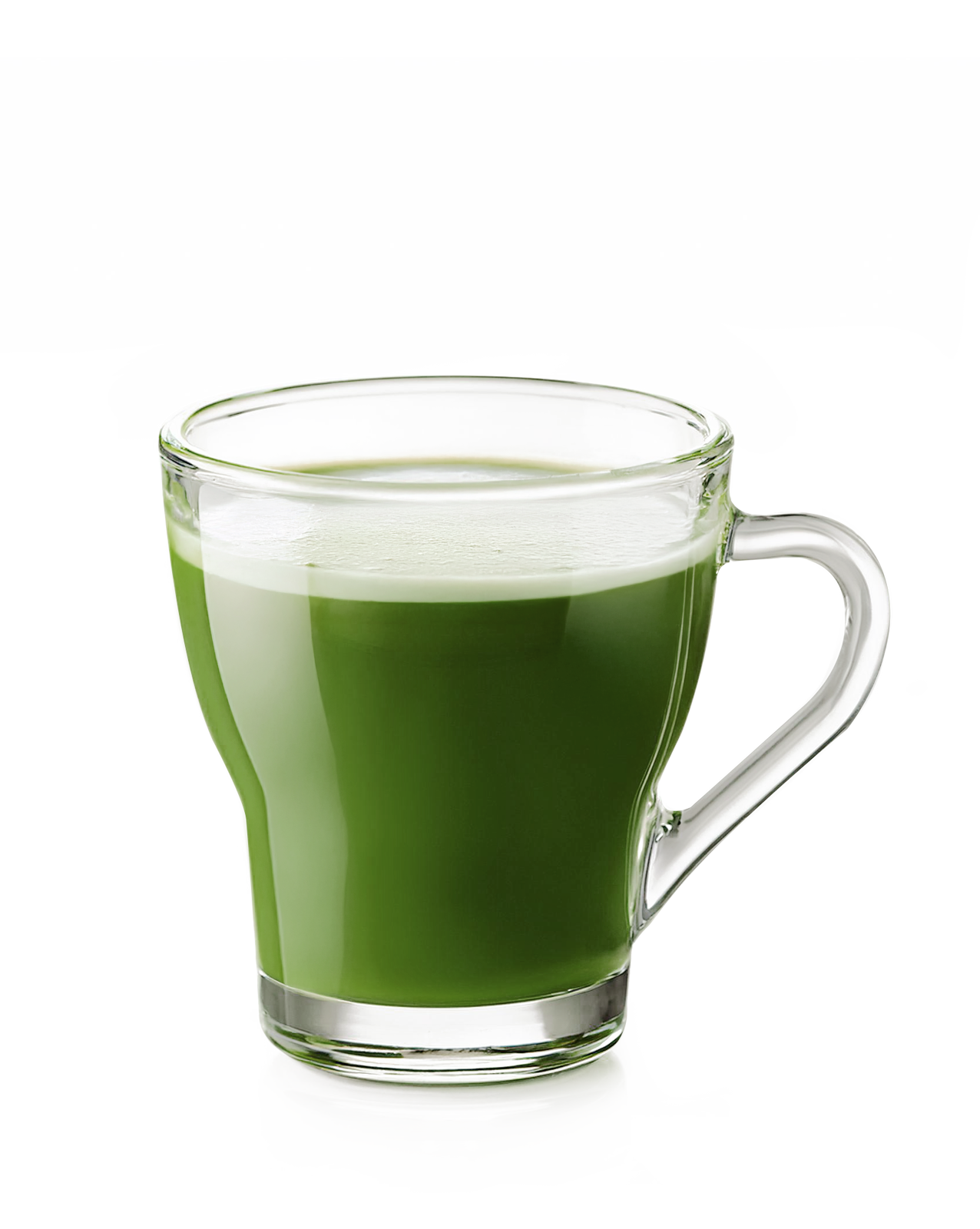
When numbers meet the taste of matcha. Cheers!

Metabolism during exercise:

Scientific teams are investigating how matcha behaves during exercise. Some studies suggest that during moderate-intensity exercise, the body may use more fat as a source of energy. The results are mixed, but we present it as an interesting research topic. More in-depth research will be needed.

How flexible are blood vessels?

Blood pressure, lipids, blood sugar:

  • Reviews and some intervention studies of green tea describe associations with selected cardiometabolic indicators. Blood vessels functioned more flexibly in the short term. When people took green tea catechins for about 2 weeks, their blood vessels “dilated” better when measured (better flow).
  • Small reduction in blood pressure (about mmHg units)

Blood sugar after meals:

Mixed results. Some trials showed a reduction, but in some trials nothing changed, although people reported a greater feeling of satiety.

Antioxidants in Matcha

When it comes to antioxidants, there is no one universal indicator. Scientists work with markers of oxidative stress, such as F2-isoprostanes (fat oxidation), 8-oxo-dG (oxidative changes in DNA), MDA/TBARS (lipid peroxidation products) or total antioxidant capacity (TAC/FRAP). These breakneck terms and values ​​help describe what is happening in the body. They capture the balance between oxidative stress and antioxidant defense in the body.

  • The “oxidative footprint” in the blood decreased slightly.
  • In several studies with green tea extract, the amount of substances that are formed when the body ages (typically MDA) decreased. At the same time, the total “antioxidant capacity” increased slightly.
    These are small but interesting changes in laboratory indicators.

The results will only be confirmed by new research

We don’t want to get ahead of ourselves. We leave the final word to science — and to you, the joy of the taste and the small everyday moments that keep you coming back to matcha.


The information in the article is for educational purposes and does not constitute health claims.

Sources

Xu R, Yang K, Ding J, Chen G. Effect of green tea supplementation on blood pressure: A systematic review and meta-analysis of randomized controlled trials. Medicine (Baltimore). 2020;99(6):e19047. DOI: 10.1097/MD.0000000000019047.

Oyama J-I. et al. Green tea catechins improve human forearm vascular function and have potent anti-inflammatory and anti-apoptotic effects in smokers. Internal Medicine. 2010;49(23):2553–2559. DOI: 10.2169/internalmedicine.49.4048.

Rasaei N. et al. Effect of Green Tea Supplementation on Antioxidant Status in Adults: A Systematic Review and Meta-Analysis of Randomized Clinical Trials. Antioxidants (Basel). 2021;10(11):1731. DOI: 10.3390/antiox10111731.

Peng X. et al. Effect of green tea consumption on blood pressure: A meta-analysis of 13 randomized controlled trials. Scientific Reports. 2014;4:6251. DOI: 10.1038/srep06251.

Josic J. et al. Does green tea affect postprandial glucose, insulin and satiety in healthy subjects: a randomized controlled trial. Nutrition Journal. 2010;9:63. DOI: 10.1186/1475-2891-9-63.

Bathgate JR. et al. Green tea extract supplementation does not modify plasma concentration of F₂-isoprostanes in women who are postmenopause: Findings from a randomized controlled trial. Nutrition Research. 2023;113:29–38. DOI: 10.1016/j.nutres.2023.03.001.